_(2).jpg)
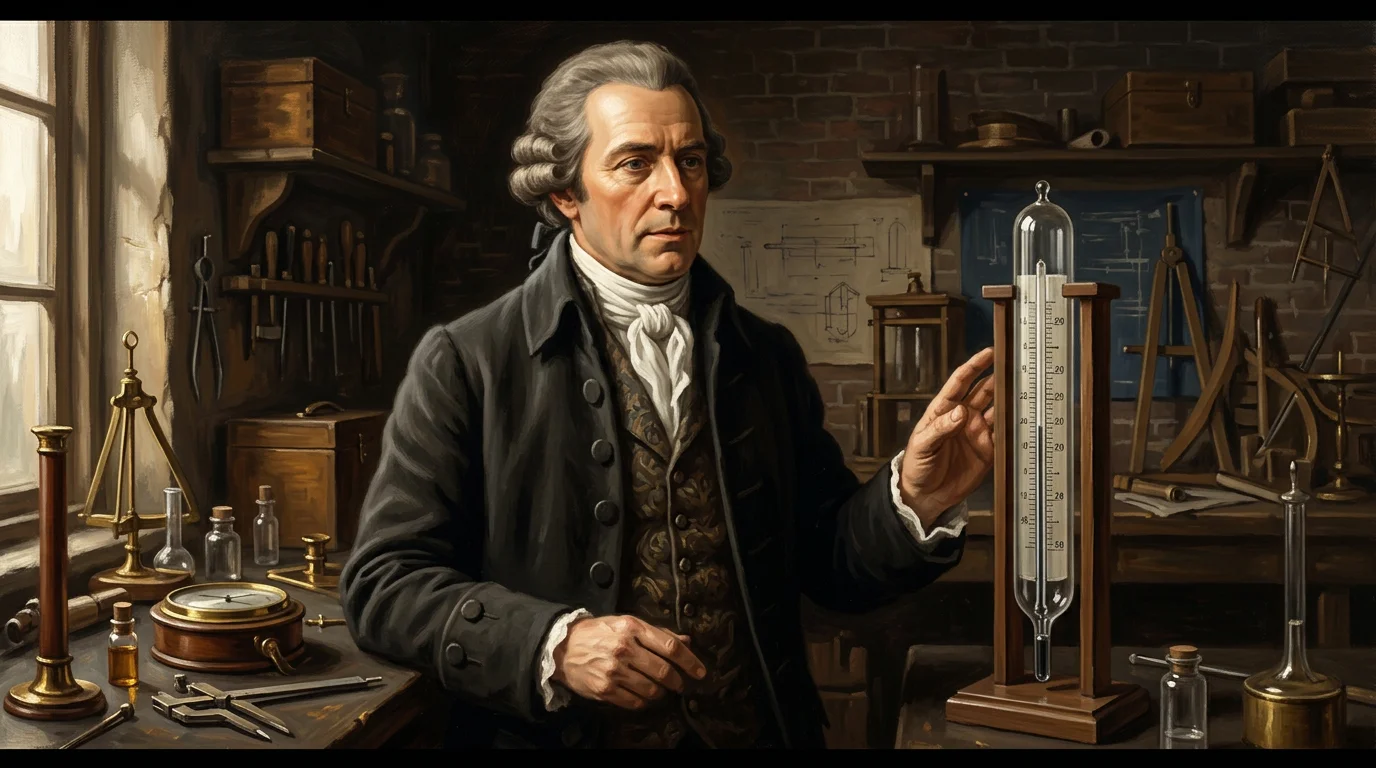
Daniel Gabriel Fahrenheit
1686–1736 · Physicist and Instrument Maker
An instrument maker from Danzig who gave the world the first accurate mercury thermometers and a temperature scale still used by hundreds of millions of people today.
“From this I gathered that a thermometer might be perhaps constructed with mercury.”
Fahrenheit set 0 degrees as the coldest temperature he could create in his laboratory — a mixture of ice, water, and ammonium chloride — and 96 degrees as roughly human body temperature.
Why is this scientist famous?
Developed the Fahrenheit temperature scale and created the first reliable mercury-in-glass thermometers, making temperature measurement accurate and consistent.
Daniel's story
From Danzig to Amsterdam
Daniel Gabriel Fahrenheit was born in the city of Danzig (now Gdansk, Poland) to a family of German-origin merchants. His parents died when he was young, reportedly from eating poisonous mushrooms, and he was apprenticed to a merchant in Amsterdam. But the young Fahrenheit had no interest in commerce. He was fascinated by instruments, measurement, and the natural world, and he soon abandoned his apprenticeship to devote himself to the making of scientific instruments. He travelled through Germany, England, and Denmark, learning from the best glassblowers, opticians, and instrument makers of the age, and gradually established himself as one of Europe's finest craftsmakers of thermometers and barometers.
The Problem with Thermometers
Before Fahrenheit, thermometers were unreliable. Different instrument makers used different liquids — alcohol, water, linseed oil — and different scales with different reference points, so two thermometers placed in the same room might give completely different readings. There was no standard, and no two instruments could be compared. Fahrenheit set out to fix this. He wanted thermometers that were accurate, consistent, and reproducible — so that a thermometer made in Amsterdam would give the same reading as one made in London. This was not just a technical challenge; it was the foundation of quantitative experimental science. Without reliable temperature measurement, physics and chemistry could not advance.
The Mercury-in-Glass Thermometer
Fahrenheit's greatest technical innovation was the mercury-in-glass thermometer, which he introduced around 1714. Mercury had several advantages over alcohol: it expanded more uniformly with temperature, it did not stick to glass, and it could measure much higher temperatures (mercury boils at 357 degrees, far above alcohol's 78 degrees). The challenge was that mercury's expansion was small, so the tube needed to be very narrow and very long. Fahrenheit's skill as a glassblower allowed him to create tubes of unprecedented precision. He also developed a method for cleaning mercury so that it would not leave residue on the glass. His thermometers were so consistent that different observers could, for the first time in history, reliably compare temperature measurements across laboratories and continents.
The Fahrenheit Scale
Fahrenheit devised his temperature scale around 1724, choosing three fixed reference points. Zero was the coldest stable temperature he could produce in his laboratory: a mixture of ice, water, and ammonium chloride. The second point, 32 degrees, was the temperature at which ice just begins to form on the surface of still water — the freezing point of water. The third point, 96 degrees, was approximately the temperature of the human body (later corrected to 98.6 degrees). The scale was adopted rapidly across northern Europe, particularly in England and the Netherlands, and became the standard for weather reporting, medicine, and science throughout the English-speaking world. Today it remains the everyday temperature scale in the United States and a few other countries.
A Life Cut Short
Fahrenheit settled in Amsterdam and established a successful workshop producing thermometers, barometers, and other scientific instruments. His reputation spread across Europe, and he was elected a Fellow of the Royal Society in London in 1724. He continued to refine his instruments and his scale throughout his life, always striving for greater precision. But his career was cut short: he died in Amsterdam in 1736 at the age of just 50, possibly of a fever. He left no children and no autobiography — only his instruments, which were so well-made that several survive in museums to this day, still bearing his signature.
Legacy
The Fahrenheit scale is used today by hundreds of millions of people, primarily in the United States. While most of the world adopted Celsius in the twentieth century, Fahrenheit's scale remains deeply embedded in American daily life — in weather forecasts, cooking, and medicine. More importantly, his real achievement was not the scale itself but the instrument: the mercury-in-glass thermometer was the standard for temperature measurement for over 250 years, until electronic sensors began to replace it in the late twentieth century. Fahrenheit made temperature measurement reliable, and in doing so, he made experimental physics itself more reliable.
What did they discover?
The Mercury-in-Glass Thermometer
Introduced around 1714, Fahrenheit's mercury thermometer was a breakthrough in precision. Mercury expanded more uniformly than alcohol, could measure higher temperatures, and did not stick to glass. His thermometers were so consistent that, for the first time, different observers could reliably compare temperature readings.
The Fahrenheit Temperature Scale
Devised around 1724, the scale set 0 degrees as the coldest laboratory-made temperature, 32 as the freezing point of water, and 96 (later 98.6) as human body temperature. It became the standard in the English-speaking world and is still used by hundreds of millions of people today, primarily in the United States.
Standardised Instrument Making
Before Fahrenheit, no two thermometers gave the same reading. By developing consistent manufacturing techniques and a universal scale, Fahrenheit made temperature measurement reproducible across laboratories — a foundational requirement for quantitative experimental science.
Fellow of the Royal Society
Elected in 1724 in recognition of his instrument-making achievements, Fahrenheit's election reflected the importance the scientific community placed on reliable measurement. His thermometers were sought after across Europe.
Amazing facts
Fahrenheit set 0 degrees as the coldest temperature he could create in his lab: a mixture of ice, water, and ammonium chloride.
He originally set 96 degrees as human body temperature — later corrected to 98.6 degrees when his scale was recalibrated.
His parents both died, reportedly from eating poisonous mushrooms, when he was a teenager.
Mercury thermometers based on Fahrenheit's design were the standard for temperature measurement for over 250 years, until electronic sensors replaced them.
Several of Fahrenheit's original thermometers survive in museum collections today, still signed with his name.
He was elected a Fellow of the Royal Society in London in 1724, the same year he presented his temperature scale.
Fahrenheit was born in Danzig (now Gdansk, Poland) but spent most of his working life in the Dutch Republic, in Amsterdam.
Timeline
Born in Danzig (now Gdansk, Poland)
Orphaned and apprenticed to a merchant in Amsterdam; soon abandoned commerce for instrument making
Introduced the mercury-in-glass thermometer, a major improvement over alcohol-based instruments
Presented the Fahrenheit temperature scale and was elected a Fellow of the Royal Society
Established his instrument-making workshop in Amsterdam
Continued refining thermometers and barometers in his Amsterdam workshop
Died in Amsterdam, aged 50
Awards & honours
Related Super Scientists
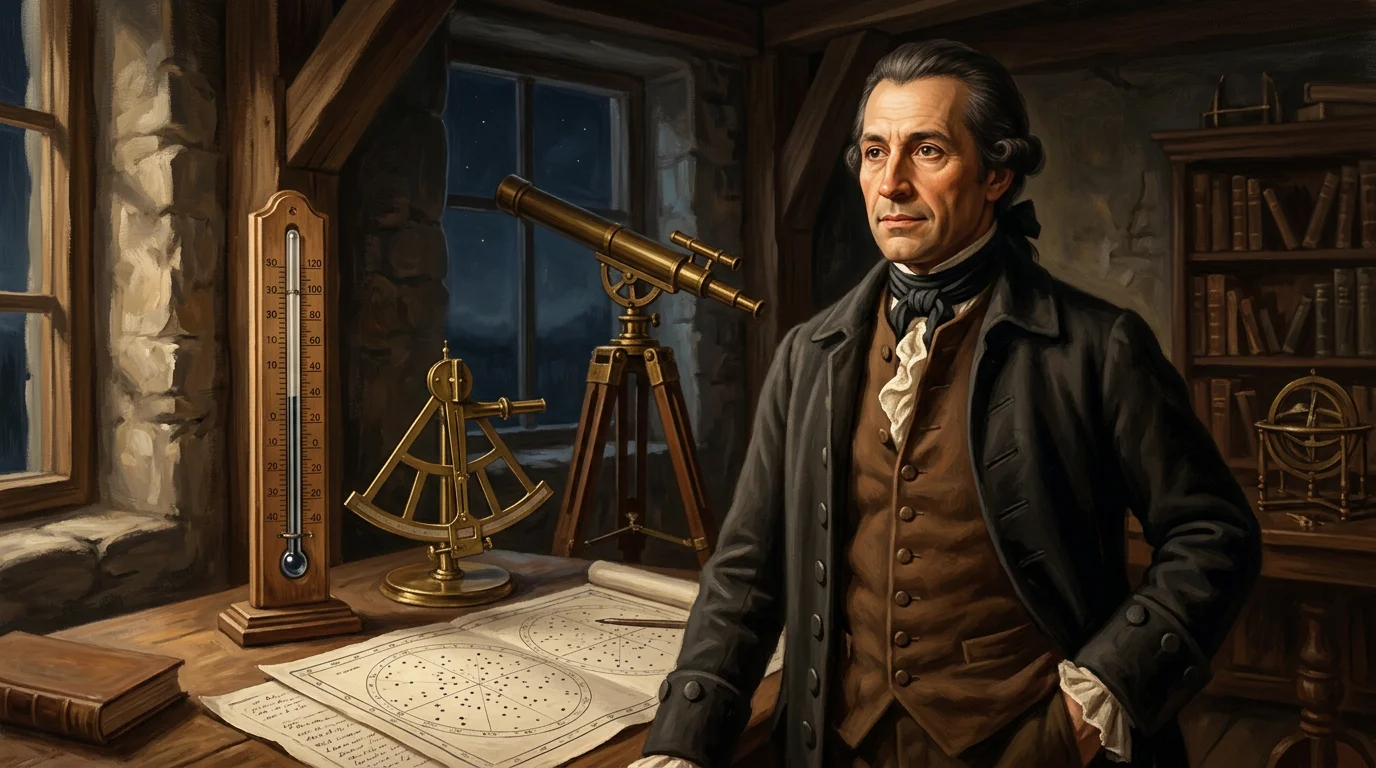
Anders Celsius
1701–1744 · Astronomer and Physicist
Proposed the centigrade temperature scale in 1742, later renamed Celsius in his honour.
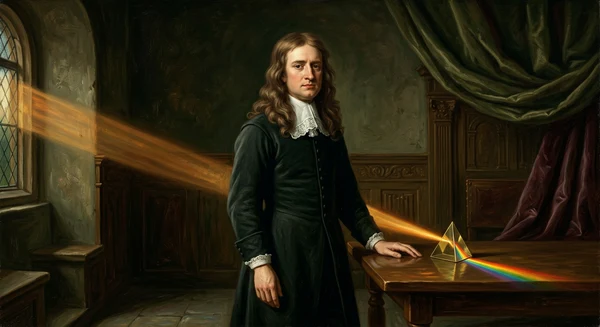
Isaac Newton
1643–1727 · Physicist & Mathematician
Formulating the laws of motion and universal gravitation.
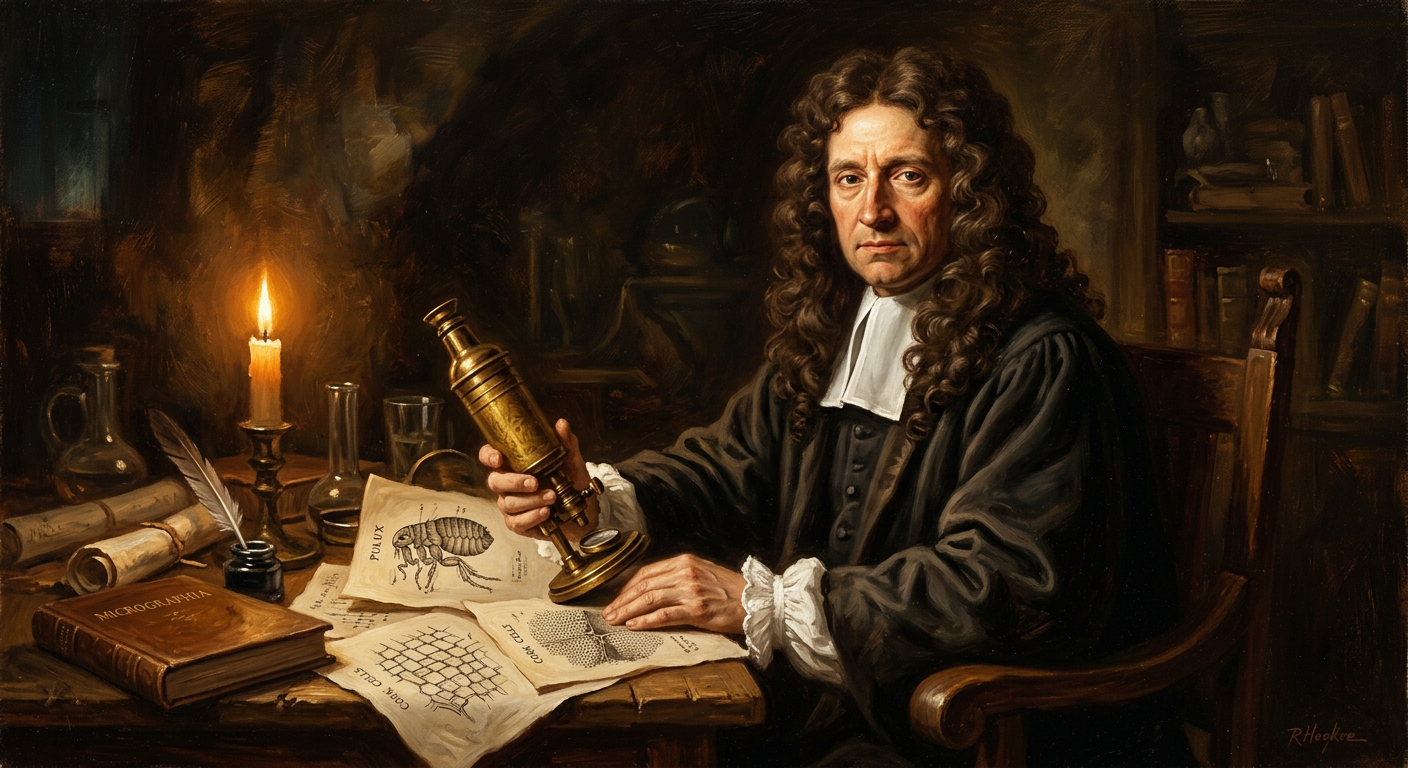
Robert Hooke
1635–1703 · Biologist and Physicist
Coined the word "cell" after examining cork under a microscope and formulated Hooke’s Law on springs.
Sources & references
Books and educational kits about Daniel Gabriel Fahrenheit coming soon