_(2).jpg)
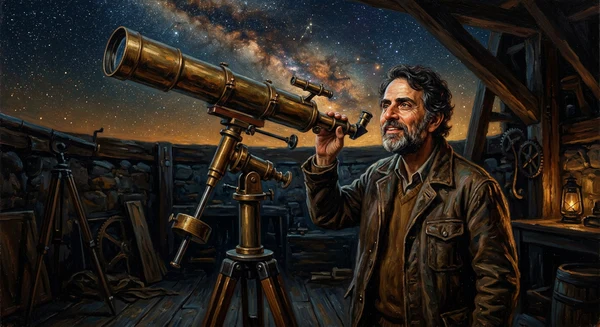
Carl Sagan
1934–1996 · Astronomer & Science Communicator
Carl Sagan was an American astronomer who made science exciting for millions of people. He led NASA's Viking mission to Mars, created the Voyager Golden Record, and wrote the beloved book and TV series Cosmos.
“Somewhere, something incredible is waiting to be known.”
Sagan helped assemble a message from humanity on the Voyager spacecraft — a golden record containing music, greetings, and sounds of Earth, launched into space in 1977 and still traveling beyond the solar system today.
Why is this scientist famous?
Created the Voyager Golden Record, wrote Cosmos, and inspired millions to love science.
Carl Sagan helped millions of people fall in love with the cosmos through his TV show and books. He reminded us that "we are made of star stuff" — the atoms in our bodies were forged in ancient stars. His passion for sharing science inspired a generation of scientists, and his work on climate change and the search for alien life still guides space missions today.
Carl's story
Early Life
Born in 1934 in Brooklyn, New York, Sagan was fascinated by the stars from age 5, when he learned that the Sun was a star. He earned his PhD at the University of Chicago and became a professor at Cornell University, where he spent most of his career.
Planetary Science
Sagan was a pioneer in planetary science. He helped determine that Venus's surface is scorching hot due to a greenhouse effect, that Mars has dust storms and seasonal changes, and that Saturn's moon Titan might have oceans of liquid methane. He also predicted that Jupiter's moon Europa could have an ocean beneath its ice — now confirmed.
The Voyager Golden Record
In 1977, NASA launched two Voyager spacecraft to explore the outer planets and then leave the solar system. Sagan led the team that created a Golden Record attached to each — a phonograph record containing music from around the world, greetings in 55 languages, sounds of Earth, and images. It was a message from humanity to any civilization that might find it, billions of years from now.
Cosmos and Public Science
His 1980 TV series Cosmos became the most-watched PBS series ever, seen by over 500 million people in 60 countries. His novel Contact was made into a film. He co-founded the Planetary Society and spent decades advocating for scientific literacy, nuclear disarmament, and environmental protection. He died of pneumonia in 1996 at age 62.
What did they discover?
Venus's Greenhouse Effect
Determined that Venus's extreme surface temperature is caused by a runaway greenhouse effect in its carbon dioxide atmosphere.
The Voyager Golden Record
Led the creation of a golden phonograph record launched on the Voyager spacecraft, containing sounds, music, and images representing humanity to potential extraterrestrial civilizations.
Predictions About Europa and Titan
Predicted that Jupiter's moon Europa has a subsurface ocean and that Saturn's moon Titan has a methane atmosphere — both later confirmed by spacecraft.
Amazing facts
He was on the cover of Time magazine in 1980 and appeared on The Tonight Show 26 times.
He popularized the phrase "billions and billions" though he never actually said it on Cosmos — his imitators did.
The Mars rover landing site was named the Carl Sagan Memorial Station after his death.
He was arrested at a nuclear protest in 1986 and spent a night in jail.
He co-founded the Planetary Society in 1980, which now has over 50,000 members.
He once said, "Extraordinary claims require extraordinary evidence" — a principle now known as the Sagan Standard.
Timeline
Born in Brooklyn, New York on November 9
Earned his PhD in astronomy from the University of Chicago
Became director of the Laboratory for Planetary Studies at Cornell
Helped design the Viking missions to Mars as part of NASA's team
Led creation of the Voyager Golden Record, launched on the Voyager spacecraft
Published the book Cosmos and hosted the TV series, seen by 500 million people
Published the novel Contact, later made into a film with Jodie Foster
Died in Seattle on December 20, age 62
The Mars Pathfinder landing site was named the Carl Sagan Memorial Station
Awards & honours
Related Super Scientists
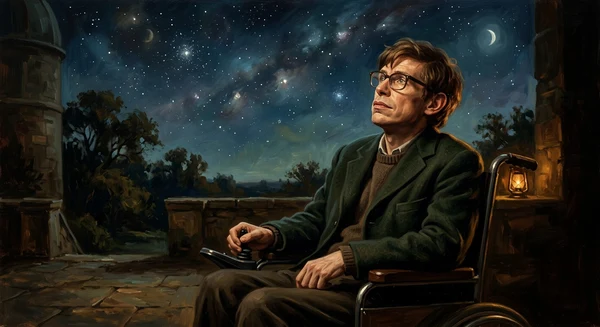
Stephen Hawking
1942–2018 · Theoretical Physicist & Cosmologist
Discovering that black holes emit radiation and writing "A Brief History of Time."
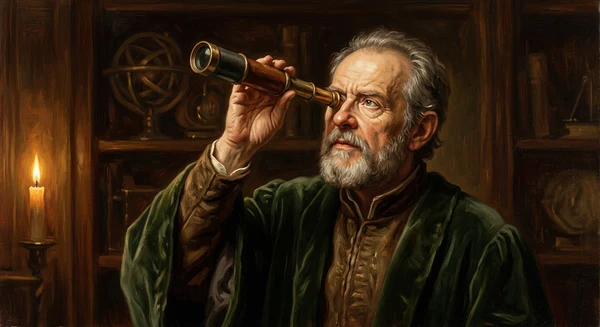
Galileo Galilei
1564–1642 · Astronomer & Physicist
Proving that the Earth orbits the Sun and founding modern observational astronomy.
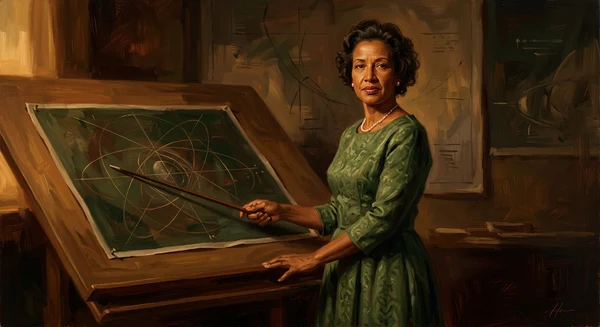
Katherine Johnson
1918–2020 · Mathematician
Calculating the trajectories that put the first Americans into space and on the Moon.
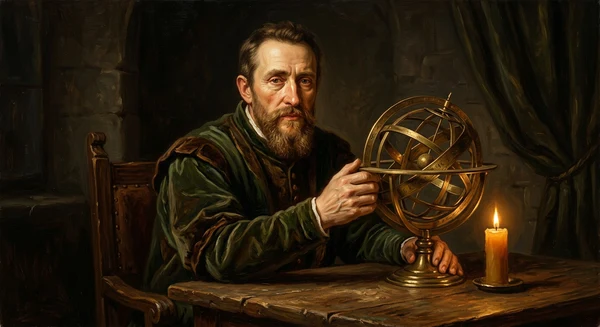
Articles about this scientist
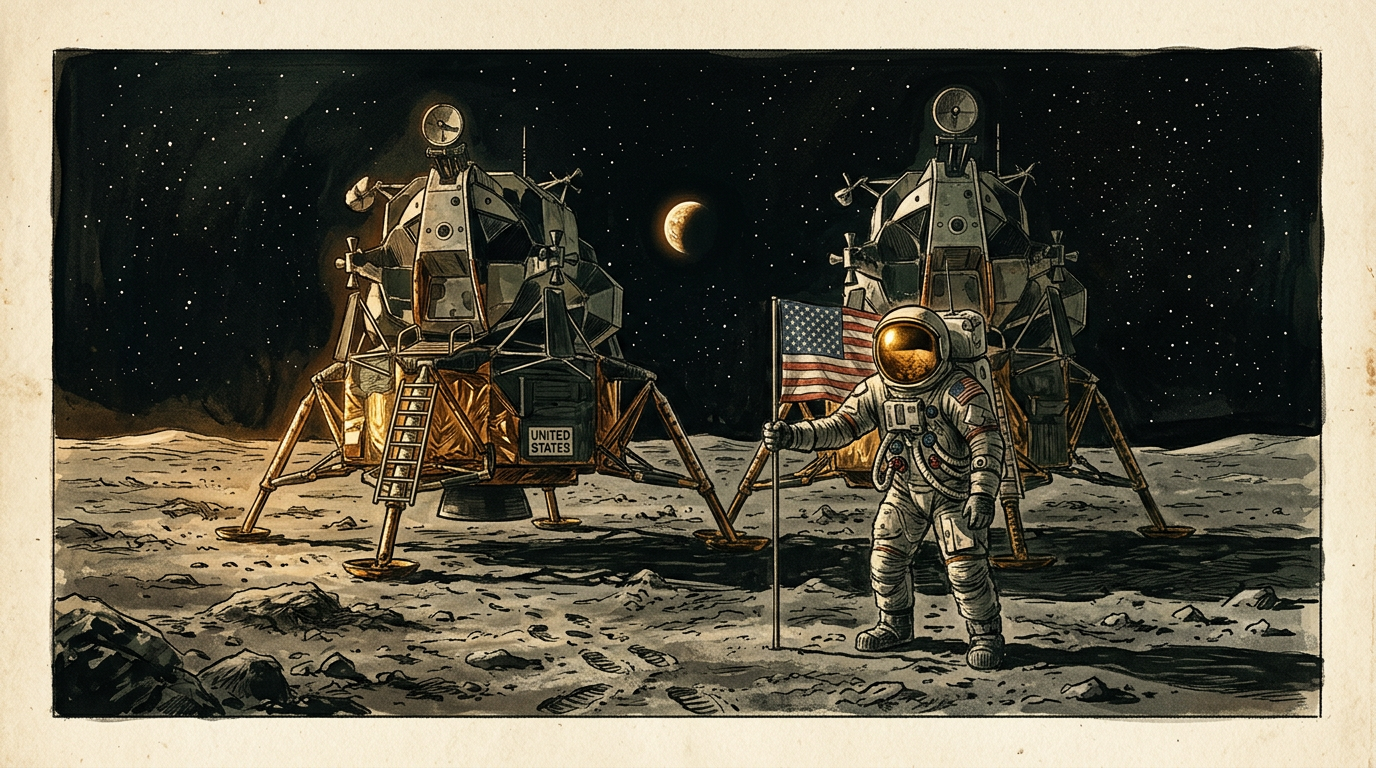
Sources & references
Books and educational kits about Carl Sagan coming soon