_(2).jpg)
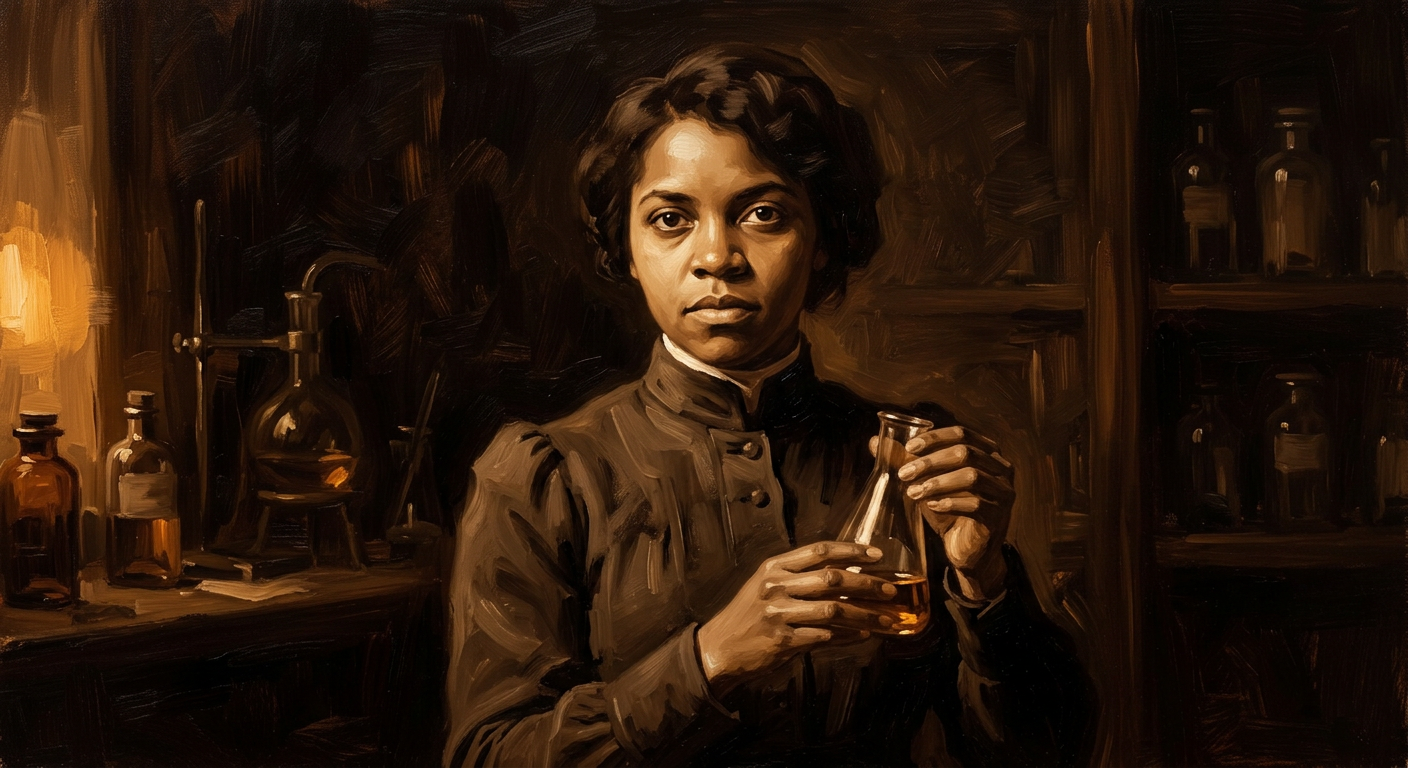
Alice Ball
1892–1916 · Chemist
A young African American chemist in Hawaii whose breakthrough leprosy treatment saved countless lives — only to have her work stolen and credited to someone else.
She died at just 24 years old, before she could publish her findings. Another scientist claimed credit for her discovery, and it took over 80 years for her name to be properly recognised.
Why is this scientist famous?
Developed the first effective injectable treatment for leprosy by making chaulmoogra oil water-soluble, a method that remained the best treatment available for over two decades.
Alice's story
Growing Up in Seattle
Alice Augusta Ball was born on 24 July 1892 in Seattle, Washington, into a family that valued education and achievement. Her grandfather was the famous daguerreotypist James Presley Ball, one of the first African American photographers in the United States, and her father carried on the family tradition as a photographer, journalist, and lawyer. The family moved frequently — to Nevada, to Hawaii, and back to Seattle — in search of better opportunities for their children. Alice excelled in school from an early age, showing a particular talent for science. She graduated from Seattle High School with top honours in 1910, determined to pursue a career in chemistry at a time when few women, and fewer Black women, were welcomed in the laboratory.
The University of Washington
Ball enrolled at the University of Washington, where she earned two degrees in four years: a degree in pharmaceutical chemistry in 1912 and a second degree in pharmacy in 1914. Her undergraduate work was impressive enough that she co-authored a paper with her professor, published in the prestigious Journal of the American Chemical Society — a remarkable achievement for a young Black woman in the 1910s. After graduation, she was offered a scholarship to study for a master’s degree at the College of Hawaii (now the University of Hawaii) in Honolulu. She accepted, moving across the Pacific to continue her education.
Hawaii and the Leprosy Breakthrough
At the College of Hawaii, Ball chose to work on one of the most urgent medical problems of the age: leprosy, also known as Hansen’s disease. Hawaii had been devastated by leprosy for decades. Thousands of sufferers had been exiled to the remote Kalaupapa peninsula on the island of Molokai, cut off from their families and left to die. The only treatment available was chaulmoogra oil, extracted from the seeds of a tropical tree, which had been used in India for centuries. But the oil was thick, sticky, and impossible to absorb when swallowed, and when injected it caused painful abscesses. Ball set out to find a way to make it usable. She discovered that by chemically modifying the oil’s fatty acids, she could create a water-soluble form that could be injected safely and absorbed by the body. The method was elegant, effective, and entirely her own invention.
A Stolen Legacy
Before Ball could publish her results, tragedy struck. On 31 December 1916, she died at the age of 24. The exact cause of her death remains uncertain — some accounts suggest she was exposed to chlorine gas during a laboratory experiment, others that she fell ill with tuberculosis. She had been planning to return to Seattle for treatment but never made it. After her death, her supervisor at the College of Hawaii, Arthur L. Dean, took her research, published it under his own name, and called it the ‘Dean Method’. Dean went on to become president of the University of Hawaii, his reputation built partly on Ball’s stolen work. For decades, her name was forgotten. It was not until the 1970s that a University of Hawaii historian named Kathryn Takara uncovered the truth in the university’s archives. In 2000, the university finally installed a bronze plaque in Ball’s honour on the very chaulmoogra tree she had studied. February 29 is now celebrated as Alice Ball Day in Hawaii.
What did they discover?
The Ball Method for Leprosy Treatment (1915)
Ball discovered how to chemically modify chaulmoogra oil to make it water-soluble and injectable, creating the first effective treatment for leprosy. The method remained the standard treatment for over two decades, until sulfone drugs were developed in the 1940s.
Pioneering Work in Fatty Acid Chemistry
Her technique for isolating and modifying the fatty acid esters of chaulmoogra oil demonstrated an advanced understanding of organic chemistry that was remarkable for a 23-year-old graduate student.
Amazing facts
She was the first woman and the first Black American to earn a master’s degree from the College of Hawaii (now the University of Hawaii) in 1915.
She was just 24 years old when she died, before she could publish her groundbreaking research.
After her death, her supervisor Arthur L. Dean published her method without crediting her, calling it the ‘Dean Method’.
It took over 80 years for her contribution to be recognised — a University of Hawaii historian uncovered the truth in the 1970s.
The University of Hawaii installed a bronze plaque in her honour in 2000, on the very chaulmoogra tree she had studied.
February 29 is celebrated as ‘Alice Ball Day’ in Hawaii, recognised by the state legislature.
Timeline
Born in Seattle, Washington
Graduated from Seattle High School with top honours
Earned degree in pharmaceutical chemistry from the University of Washington
Earned second degree in pharmacy from the University of Washington
Became the first woman and first Black American to earn a master’s degree from the College of Hawaii
Developed the ‘Ball Method’ for injectable chaulmoogra oil treatment for leprosy
Died at the age of 24, before she could publish her findings
Awards & honours
Related Super Scientists
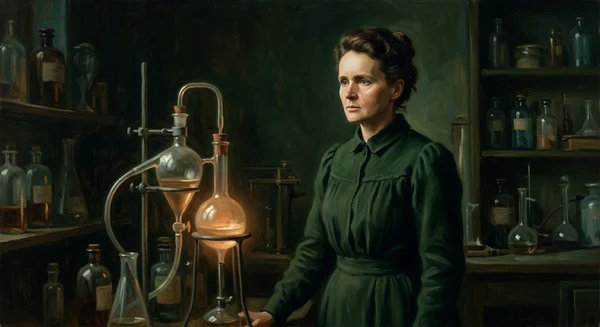
Marie Curie
1867–1934 · Physicist & Chemist
Discovering radioactivity and two new elements: radium and polonium.
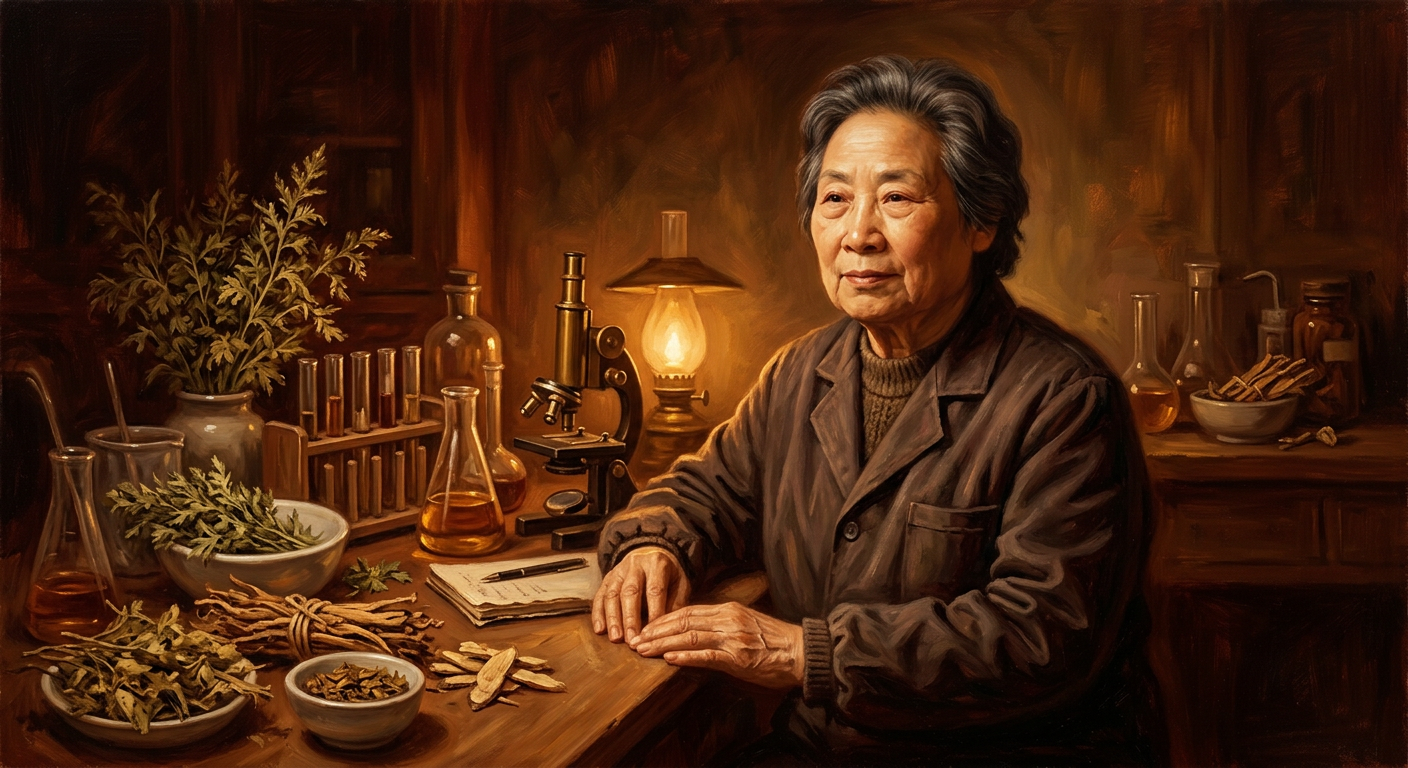
Tu Youyou
1930–present · Pharmaceutical Chemist
Discovering artemisinin, a drug derived from sweet wormwood that became the world’s most effective treatment for malaria and saved millions of lives.
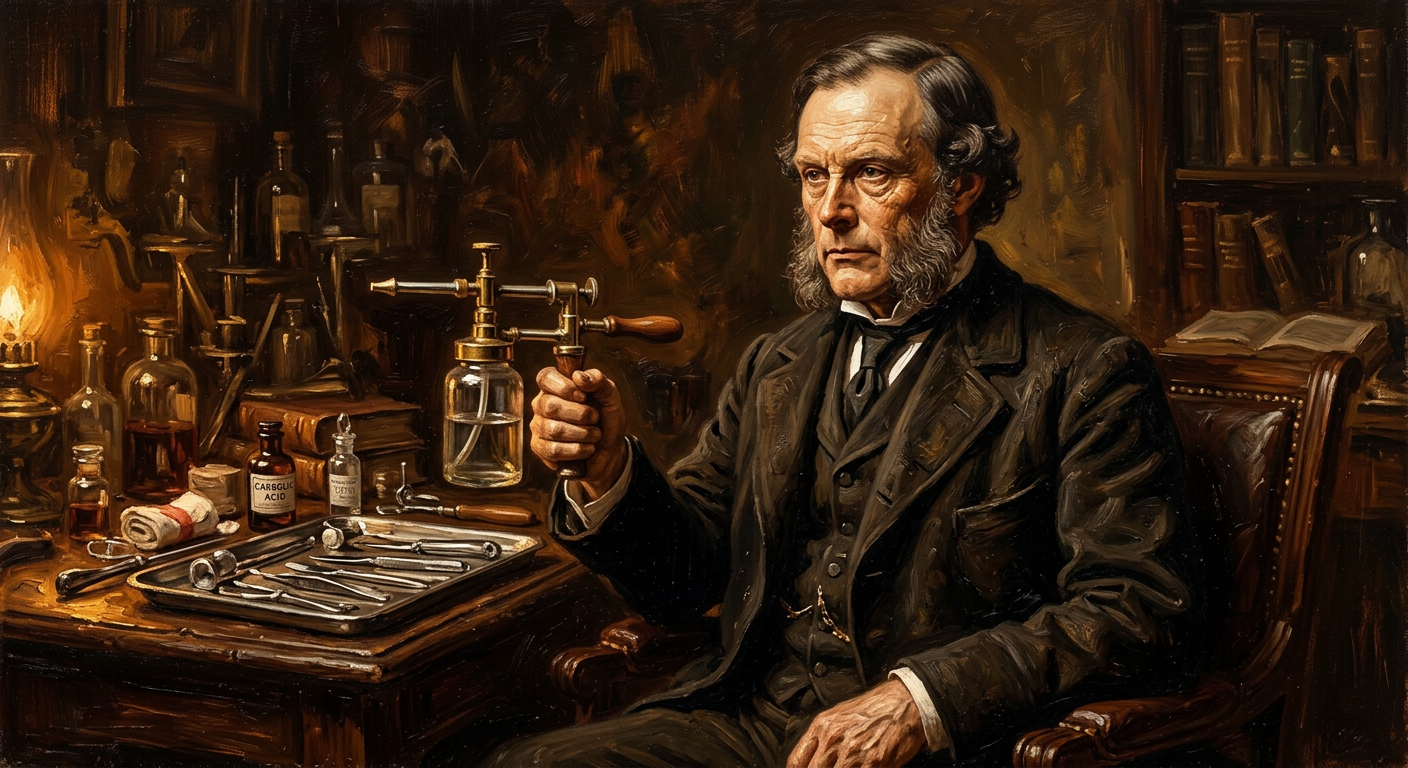
Joseph Lister
1827–1912 · Surgeon
Pioneering antiseptic surgery by using carbolic acid to kill germs in wounds, transforming surgery from a deadly gamble into a safe procedure.
Sources & references
Books and educational kits about Alice Ball coming soon