_(2).jpg)
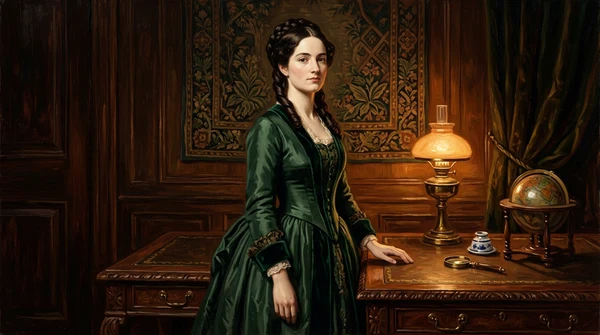
Ada Lovelace
1815–1852 · Mathematician
Often called the world's first computer programmer, Ada Lovelace envisioned that computers could do far more than calculate numbers.
“That brain of mine is something more than merely mortal; as time will show.”
Ada wrote the world's first computer program in 1843 — nearly a century before the first electronic computer was built.
Why is this scientist famous?
Writing the first computer algorithm, a century before electronic computers existed.
Every time you play a video game, use an app, or ask a smart speaker a question, you are using code — the kind of step-by-step instructions Ada Lovelace imagined nearly 200 years ago. She proved that machines could do more than just calculate: they could create music, art, and ideas. That idea is the heartbeat of every computer and phone in your pocket today.
Ada's story
Early Life
Born Augusta Ada Byron, daughter of the famous poet Lord Byron. Her mother, Annabella Milbanke, separated from Byron when Ada was five weeks old and deliberately steered her daughter toward mathematics and logic, hoping to suppress any inherited poetic tendencies.
Meeting Babbage
At age 17, Ada met Charles Babbage, who showed her his "Difference Engine" — a mechanical calculator. She was captivated. Babbage later designed the "Analytical Engine," a far more ambitious machine that could, in principle, perform any calculation — a true general-purpose computer.
The First Algorithm
In 1843, Ada translated an Italian article about the Analytical Engine and added her own extensive notes. Her "Note G" described a step-by-step method for calculating Bernoulli numbers — the first published algorithm intended for a machine to execute. She also predicted that such a machine could compose music and produce graphics, not just crunch numbers.
Legacy
Ada died of uterine cancer at just 36, her brilliance cut short. Over a century later, the U.S. Department of Defense named its programming language "Ada" in her honour, and she has become a powerful symbol for women in technology.
What did they discover?
First Computer Algorithm
Wrote a detailed method for the Analytical Engine to compute Bernoulli numbers — the first algorithm designed for a machine.
Vision of General-Purpose Computing
Foreseeing that computers could manipulate any symbol — music, text, images — not just numbers, she described what we now call general-purpose computing.
Amazing facts
She was the daughter of the famous poet Lord Byron, whom she never knew.
Her mother pushed her toward mathematics specifically to prevent her from developing her father's "dangerous" poetic temperament.
She predicted that computers could one day compose music and graphics — in 1843.
The Ada programming language, created by the U.S. military, is named after her.
Ada Day, held each October, celebrates the contributions of women in STEM.
She died at only 36, the same age as her father.
Timeline
Born in London, England
Met Charles Babbage and saw the Difference Engine
Published her notes including the first computer algorithm
Died of uterine cancer at age 36
The Ada programming language named in her honour
Awards & honours
Related Super Scientists
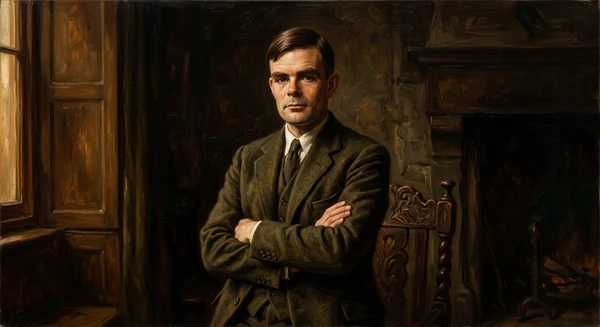
Alan Turing
1912–1954 · Mathematician & Computer Scientist
Breaking Nazi codes and founding the science of artificial intelligence.
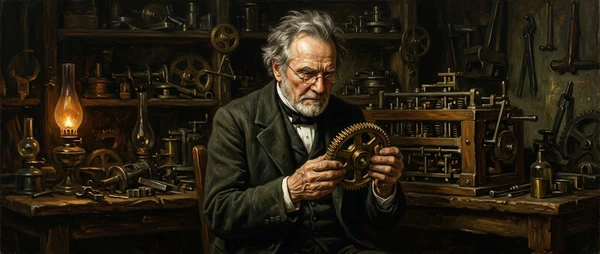
Charles Babbage
1791–1871 · Mathematician & Inventor
Designed the first mechanical computer — the Difference Engine and the Analytical Engine.
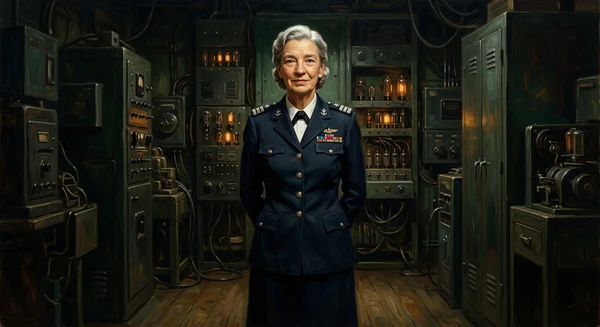
Grace Hopper
1906–1992 · Computer Scientist & Naval Admiral
Inventing the first compiler and making programming accessible with English-like languages.
Articles about this scientist
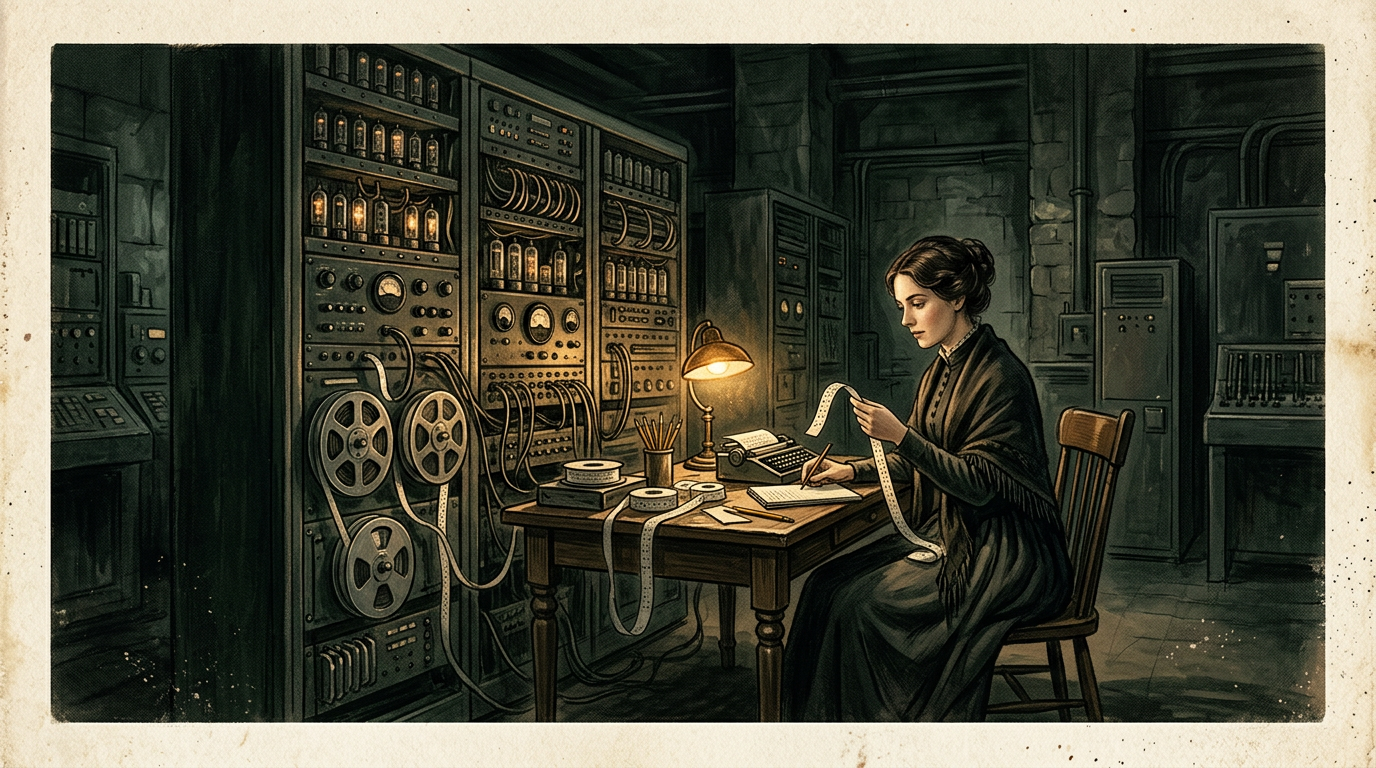
The Birth of Computing
The computer you are using is the latest link in a chain stretching back 200 years. This is the story of the visionaries who imagined that machines could do more than calculate.
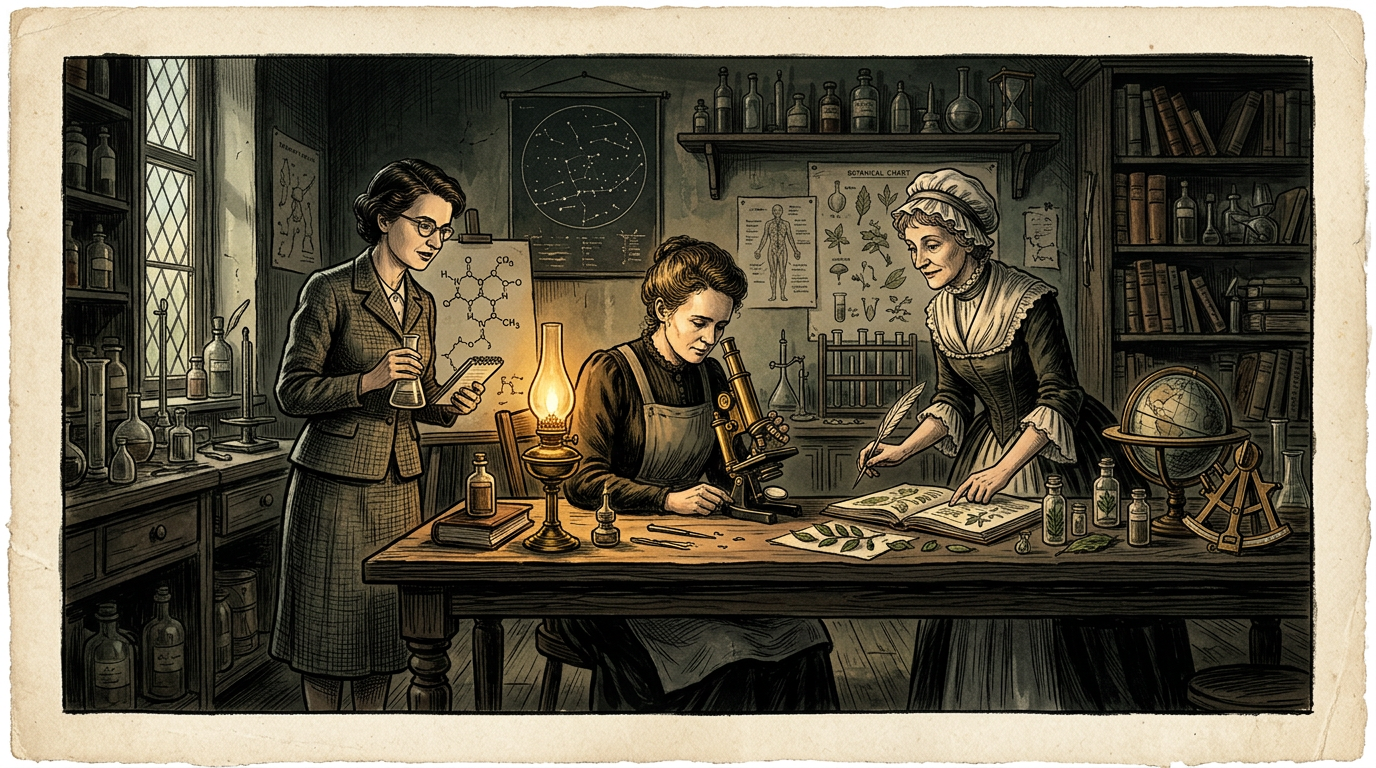
Women Who Changed Science
Throughout history, women in science have faced exclusion, dismissal, and erasure. Yet their discoveries have been transformative. This article celebrates the women whose brilliance could not be held back by the barriers of their time.
Sources & references
Books and educational kits about Ada Lovelace coming soon